What do Ringo Starr, Eleanor Roosevelt, my dad, Erwin Schrodinger (of the cat fame), and all three of the Bronte sisters have in common? The answer is tuberculosis, also known as TB. For Schrodinger, Roosevelt and the Brontes, their TB was fatal.
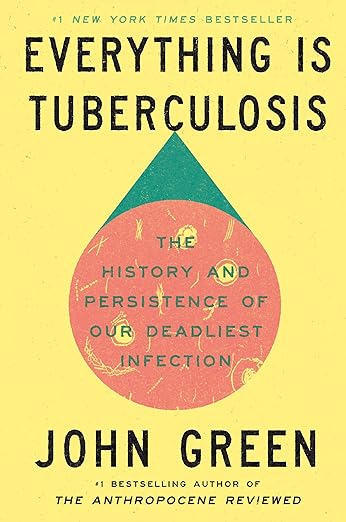
In some ways, this is the least surprising connection because, according to the book Everything Is Tuberculosis by John Green, “between one-quarter and one-third of all living humans have been infected with it.” You are much more likely to meet someone who has been infected with the TB bacterium than someone with, say, your same birthday.

Even as a physician, I was staggered by Green’s statistics: “over a million people died of tuberculosis in 2023.” Also, “Just in the last two centuries, tuberculosis caused over a billion human deaths.” TB is not some disease of the misty past.
My family has been touched by TB in many ways. When he was 82, my dad developed a sudden shortness of breath. He panted walking to the kitchen. Lifting chopsticks to his lips became a chore. A chest X-ray showed fluid in the space between his lung and the lining of the lung. My essay “Die Another Day” about this harrowing episode for dad and our whole family is anthologized in Are We Feeling Better Yet?
I was praying that he had TB, because the likely alternative was cancer. Despite all the efforts of caring doctors and state-of-the-art treatments, Dad’s recovery was painful (a chest tube the caliber of a garden hose poked into his chest to drain this fluid), slow and arduous. As with all patients with active tuberculosis, he had lost his appetite. His body was in terrible shape. That’s why, in the 18th and 19th century, people named it “consumption,” like the body was eating itself.
And TB is not a disease isolated to third-world countries. When my son Alex was high-school age, he tested positive for TB exposure –a positive PPD, the little bleb they inject under the skin on the inner forearm. He had to take pills for 9 months. He could not have caught it from my dad. (The explanation is complicated but trust me on this.) Take a look at your own family history. I bet you don’t have to go far to find that TB has affected it in some significant way.
Even today, if you take one of the biologics widely advertised on TV, like Skyrizi, Cosentyx or Humira, you would have had a PPD to make sure you didn’t harbor the TB bacterium.
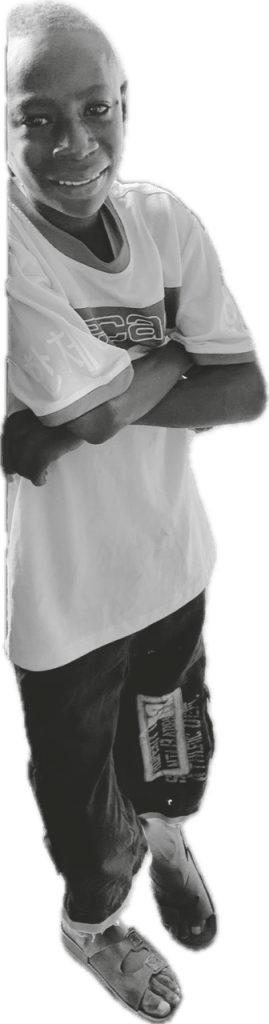
The author of Everything Is Tuberculosis, John Green, is not a physician or scientist. He’s a writer. His novel The Fault in Our Stars became a blockbuster movie. His interest in tuberculosis all started with an encounter with Henry Reider, a young TB patient in Sierra Leone.
He was charmed by Henry’s personality. (You will be too!) Henry’s years-long struggle against this relentless disease points to the many missed opportunities for an earlier cure: poverty, war, superstition, and lack of medical resources. Sadly, Henry’s story is more the rule than the exception – multiplied by hundreds of thousands, if not millions, of other sufferers. And their families. And their communities.
Henry had a younger sister who died from TB. In my family too. My dad’s sister in China died of TB before I was born. I had no aunts from his side of the family.
Green navigates the science with remarkable clarity, such as explaining the difference between active (Dad) versus latent (Alex) TB. He talks about drug resistance, a serious complication in tuberculosis management. He ticks off the parts of the body that TB could attack, not just the lungs, but also the spine, the bones, the lymph nodes, the brain. He discusses diagnostic challenges and available medication regimens.
Just as interesting to me is Green’s telling of the social and cultural history of this very old disease, mentioned in both Roman and ancient Chinese writings. For example, in the 18th and 19th century, before the discovery that a bacterium caused TB, Europeans believed that genetics caused consumption.
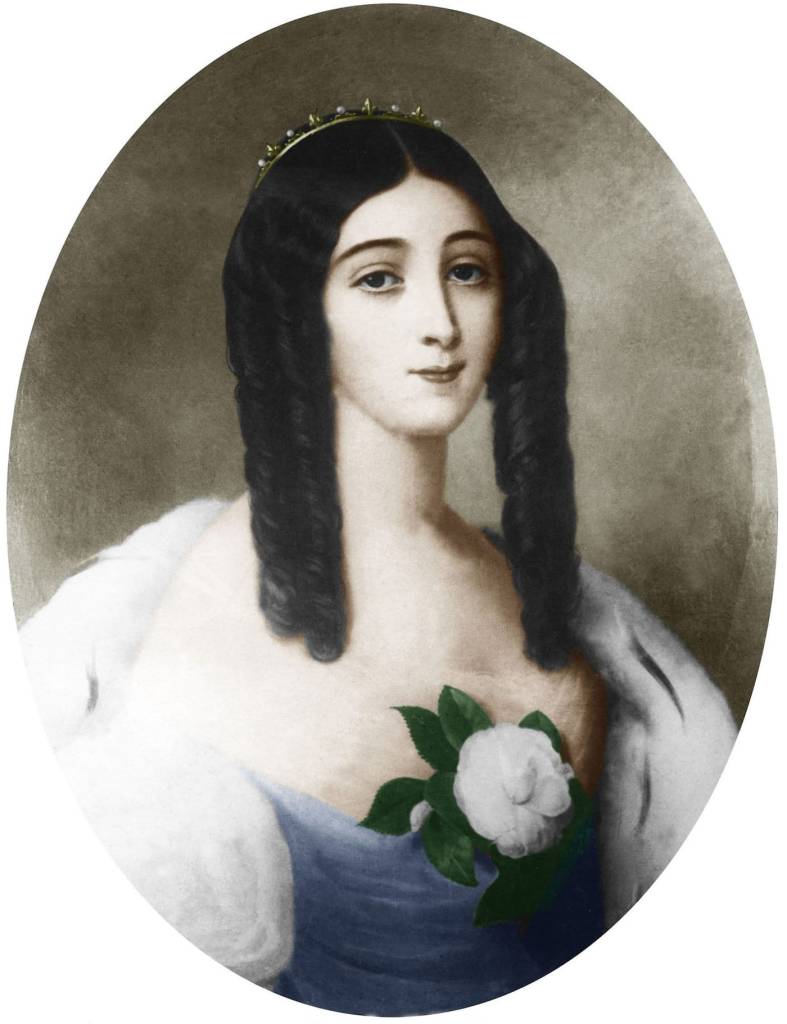
They also attributed a special beauty and sensitivity to the sufferers, although this applied only to white women. Green notes that those markers of beauty – a thin, waifish body, pale skin (from anemia), wide, sunken eyes, and red cheeks (from frequent fevers) – have continued to be markers of beauty to this day.
Something else that has come down to us today is the trope of coughing up blood on the hankie. We 21st century movie-goers know, whether it’s Greta Garbo as Camille or Val Kilmer as Doc Holliday in Tombstone, that the blood means TB and death.
Actually, a cure has been available since the 1950s and 1960s. It was a cumbersome regimen, consisting of four medications taken every day – several times a day — for two months, and then two meds for another 4 -7 months. (Think about the time you didn’t finish your ten days of antibiotics.)
If there’s any interruption, be it from supply chain issues, war, family problems or lack of money, these drugs could stop working. You’ll have then developed drug-resistant TB. The second line meds are very toxic and not particularly effective. Henry lost his hearing in one ear as a side-effect. And his TB wasn’t cured. He developed the worst: Multidrug Resistant TB.
Green attributes this terrible sequence of events to the lack of research into TB meds. As he puts it: “in the forty-six years between 1966 and 2012, we developed no new drugs to treat tuberculosis … Humans, a species that simply can never have enough, somehow decided that five or six anti-TB drugs would be plenty.”
The good news is that, in the last 15 years, there have been new medications. They are less toxic and more effective. Still, the multitude of people who need TB drugs these days are in countries whose government just can’t afford them – at least not at the prices that Big Pharma charges. Challenges by patients like Henry all over the world, NGOs like Partners in Health, and activists, including John Green, have forced drug companies and governments to make these medications more available. USAID also played a significant role in TB care and prevention all over the world.
So, I must report on the devastating effect of recent US policy changes: Tens of thousands of tuberculosis deaths are estimated to have occurred due to USAID funding freezes, with mathematical models projecting anywhere from roughly 62,000 to nearly 100,000 additional TB fatalities linked to recent foreign aid disruptions. USA Today.
This book has shown that we humans have been on the losing end of our interaction with this tiny bacterium for millennia. We have misattributed causes, mismanaged therapies, espoused short-sided and misguided policies, and given in to greed. Yet the human spirit goes on.
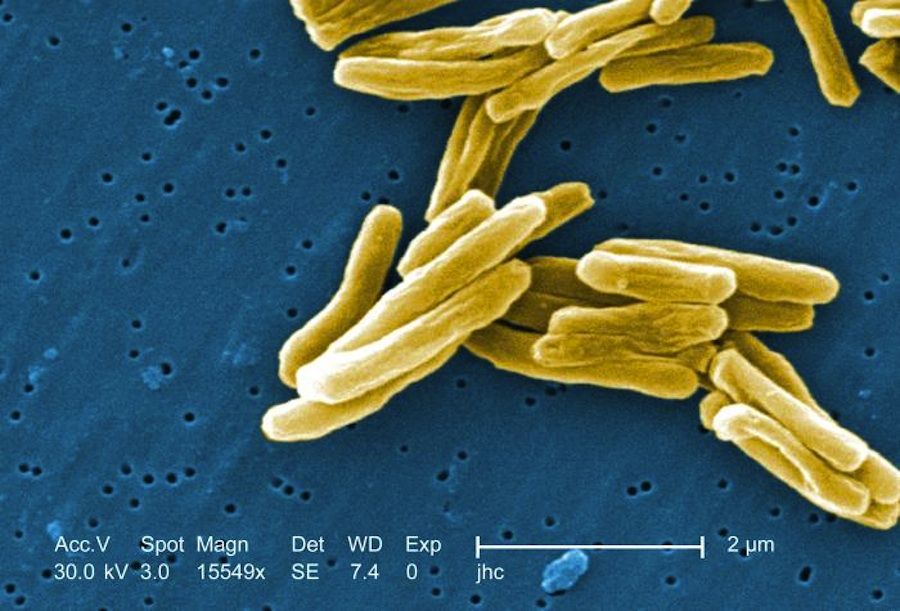
Scientists continue to research. An April 30, 2026, New England Journal of Medicine article detailed a new diagnostic method (MiniDock MTB) that could “expand access to timely diagnosis.”
My dad and Henry Reider fought for their lives with grit and grace. Multiply that by tens of millions. John Green became so inspired by his experiences with Henry and other TB patients that he connected with other anti-TB organizations. Then he wrote Everything Is Tuberculosis to spark the rest of us to awareness and action. Let’s go!
Tell me: Have you or someone in your family had a run-in with TB?


11 replies on “Everything Is Tuberculosis: Not Really an Exaggeration!”
Dear Cathy, I had no idea that tuberculosis was still so prevalent and so destructive. Thanks, as always, for your essay and another fascinating revelation about your own family history.
Barry
>
LikeLiked by 1 person
So true.
LikeLike
I guess my story is the opposite of your thesis—everything is TB, unless it’s another granulomatous disease ; )
>
LikeLiked by 1 person
There’s a blood test now.
LikeLike
I didn’t get all of your message. Sorry. Can you re-post?
LikeLike
I was about 12 years old and my sister 10. I guess my story is the opposite of your thesis,
LikeLike
Once again Cathy a fascinating read..our son Chris was exposed so often to TB when he was doing mission work for 2 and 1/2 year in Chile that he was told not to get anymore TB tests because his arm swelled a lot after his last test..I wonder if he should get this checked again??? Mary Dee
LikeLiked by 1 person
Great minds, Fletch!
LikeLike
I’ll read your comments tomorrow but tonight saying I read the book and loved it! I’ve been recommending it to friends. MarySent from my iPhoneOn Jun 21, 2026,
LikeLiked by 1 person
Thank you for sharing your story. How old were you?
LikeLike
My father spent a year in a TB sanatorium due to a positive skin test and granulomas on his chest xray. When he wasn’t improving, as a last resort (back then) a chest biopsy was done and the diagnosis was sarcoidosis, which caused his death, but not for decades later. At least he didn’t catch TB while incarcerated with other TB patients! It touched our lives, because we were without his income and children were not allowed to visit. My mother had to learn to drive to get to the hospital which was 45 minutes away. That was a sad year for our family.
LikeLiked by 1 person